


What Is Muscle Hypertrophy?
Muscle hypertrophy is the process by which muscle fibers increase in size due to progressive resistance training, optimal nutrition, hormonal balance, and proper recovery. It is the foundation of bodybuilding, strength training, and lean muscle development.
For gym-goers, athletes, and fitness enthusiasts, hypertrophy means:
- Bigger and fuller muscles
- Improved strength and endurance
- Better metabolism and fat utilization
Types of Muscle Hypertrophy (Explained Simply)
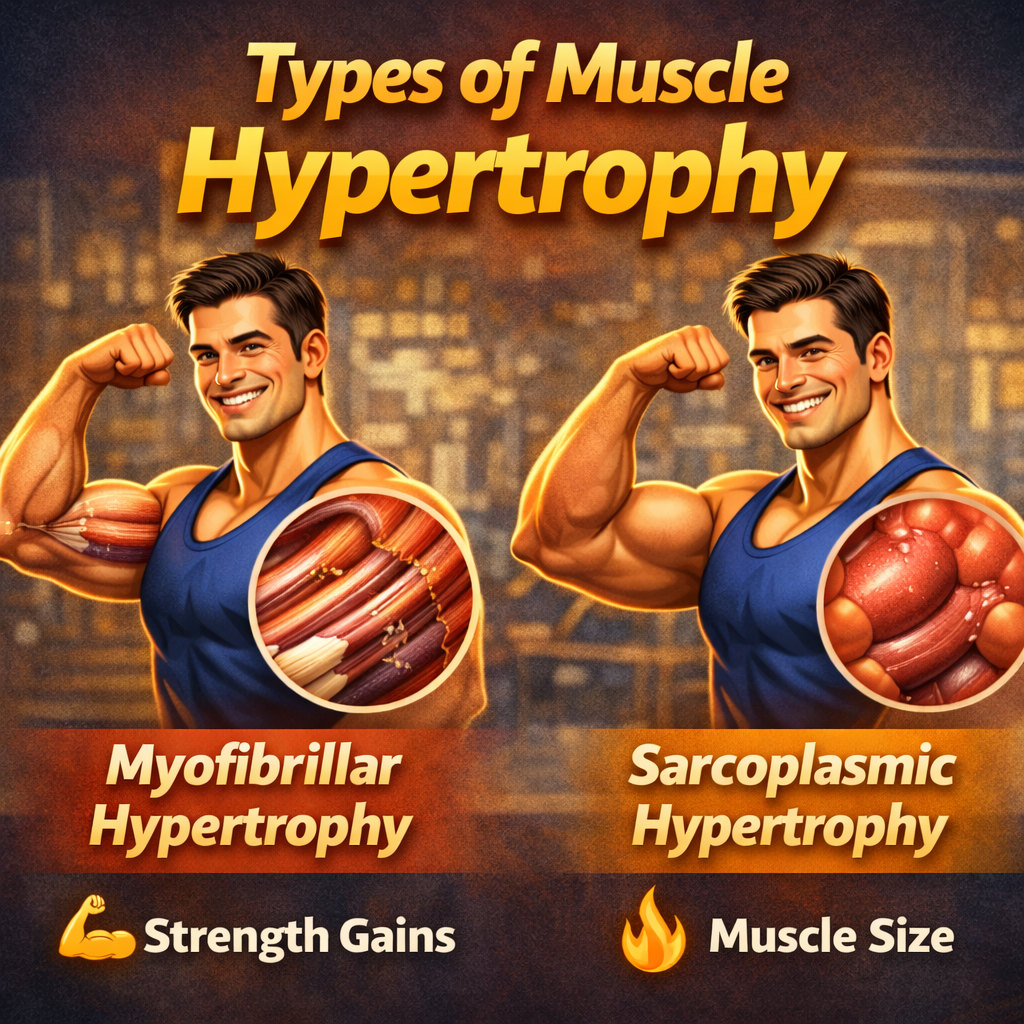
1. Myofibrillar Hypertrophy (Dense Muscle Growth)
- Increases contractile proteins (actin & myosin)
- Results in hard, strong muscles
- Achieved with heavy training & progressive overload
2. Sarcoplasmic Hypertrophy (Volumized Muscle Growth)
- Increases glycogen, water, and intracellular fluid
- Gives muscles a bigger, pumped appearance
- Achieved with moderate weights & high volume
👉 Best muscle growth happens when both types are trained together.
How Muscle Hypertrophy Happens (Scientific Mechanism)
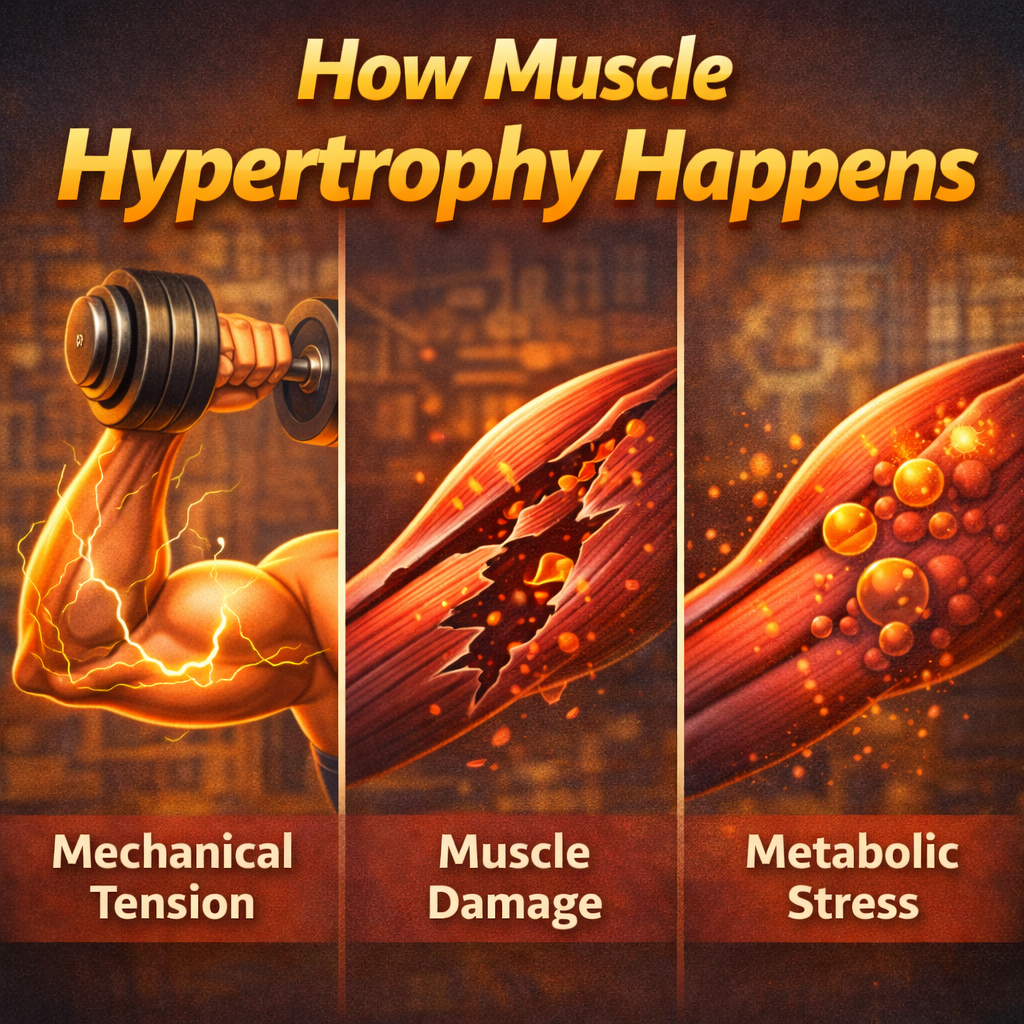
Muscle growth is triggered by three key factors:
1. Mechanical Tension
Heavy resistance places stress on muscle fibers, activating anabolic signaling pathways.
2. Muscle Damage
Micro-tears occur during training → body repairs fibers → muscles grow thicker.
3. Metabolic Stress
High-rep training causes metabolite buildup (lactate, hydrogen ions), enhancing muscle pump and anabolic hormones.
Best Training Strategy for Muscle Hypertrophy
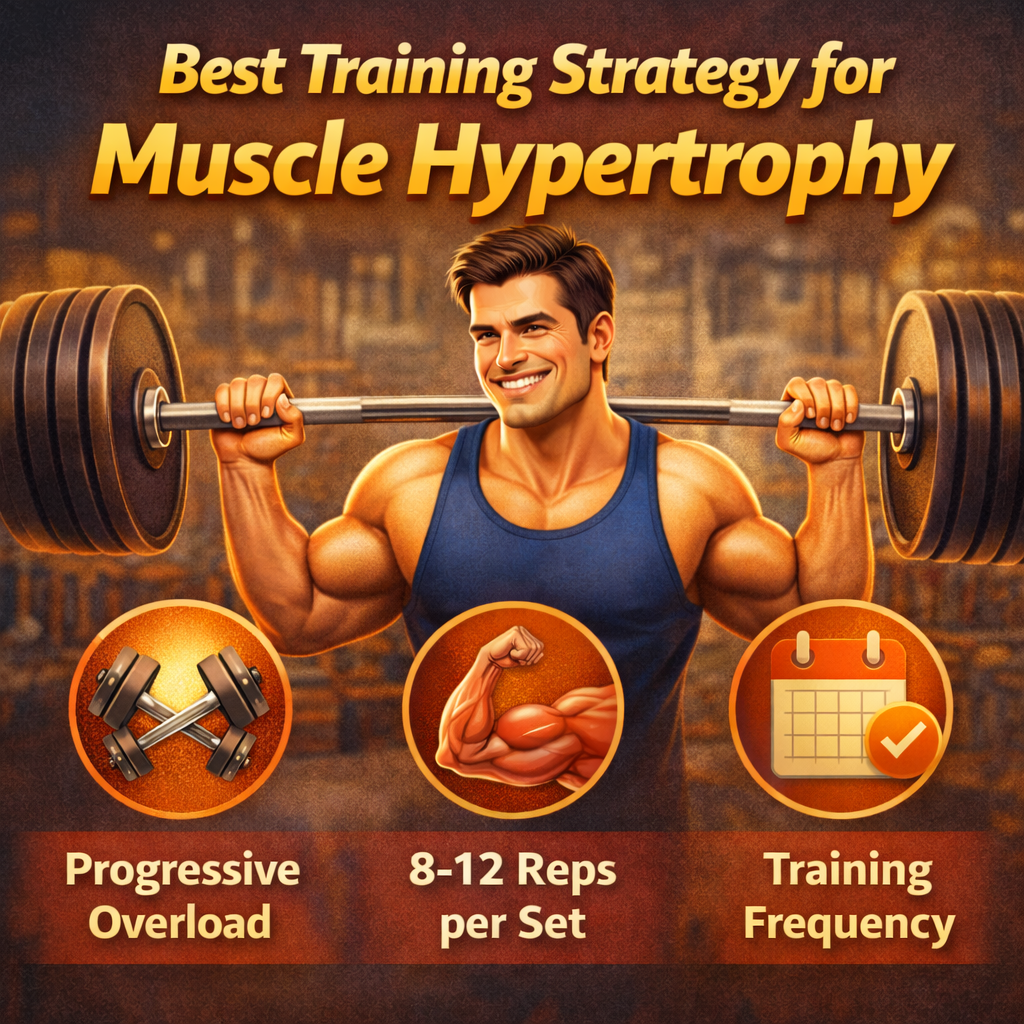
Ideal Rep Range
- 6–12 reps per set
- 3–5 sets per exercise
Weekly Volume
- 10–20 sets per muscle group
- Train each muscle 2 times per week
Rest Periods
- 45–90 seconds for maximum hypertrophy
Progressive Overload
- Increase weight, reps, or intensity weekly
💡 Consistency + overload = guaranteed hypertrophy
Nutrition: The Backbone of Muscle Hypertrophy
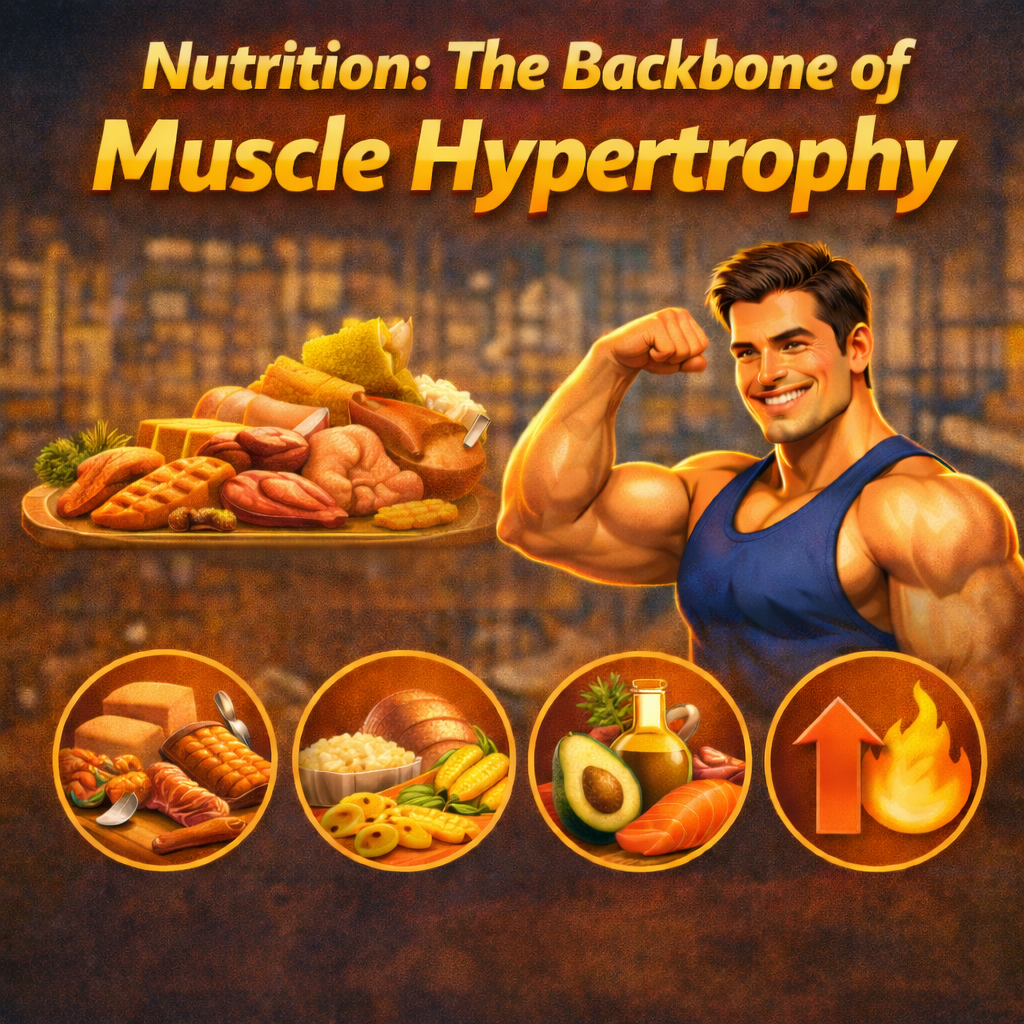
Protein Intake
- 1.6–2.2 g/kg body weight
- Essential amino acids are critical for muscle protein synthesis
Carbohydrates
- Fuel intense workouts
- Improve recovery and muscle fullness
Healthy Fats
- Support testosterone and anabolic hormones
Caloric Surplus
- 300–500 kcal surplus for clean bulking
- Avoid excess fat gain
Strategic Supplement Support for Muscle Hypertrophy
Whole food builds the base—but targeted supplementation accelerates results.
1. Pre-Workout Support (XBOL)
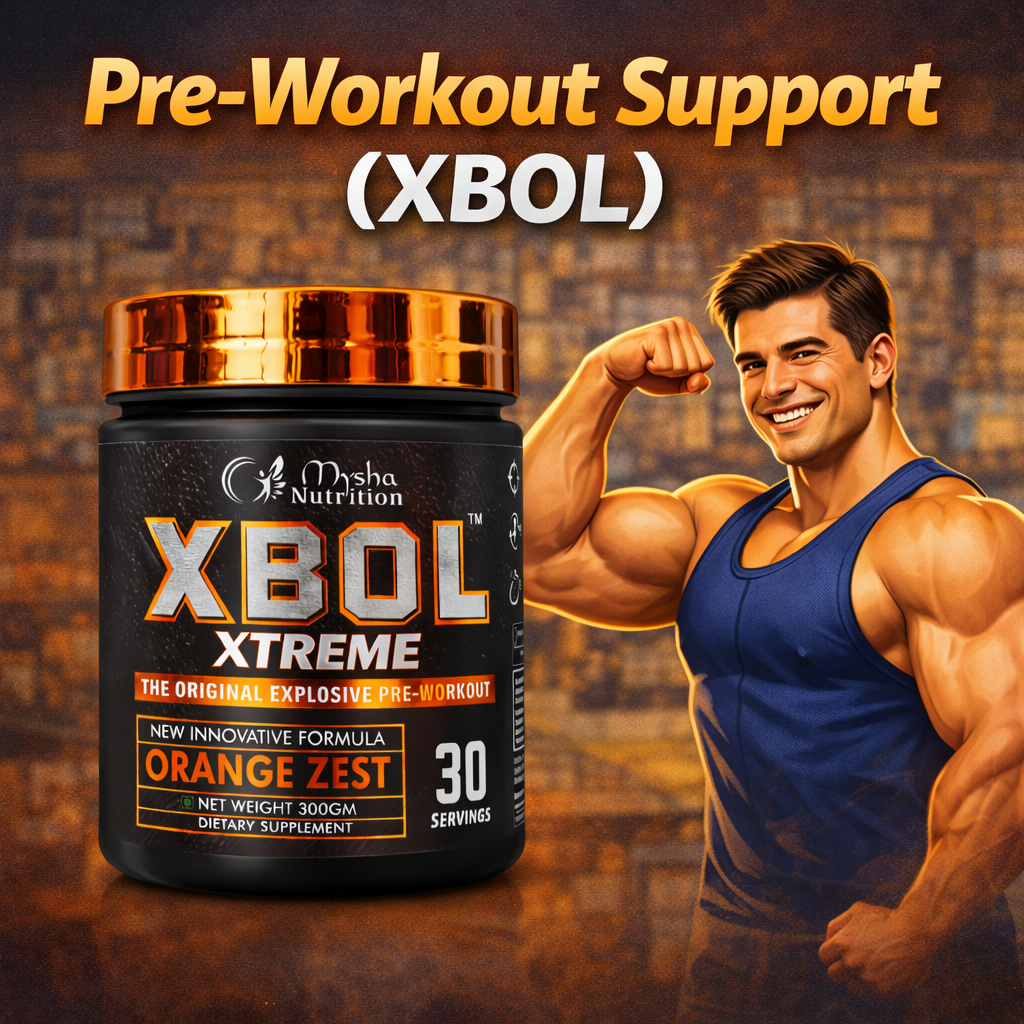
A strong pre workout for muscle hypertrophy enhances:
- Training intensity
- Strength output
- Muscle pump & focus
XBOL supports hypertrophy by helping you lift heavier, push harder, and train longer, directly increasing mechanical tension.
2. Intra-Workout Amino Support (IFUEL – BCAA + EAA)
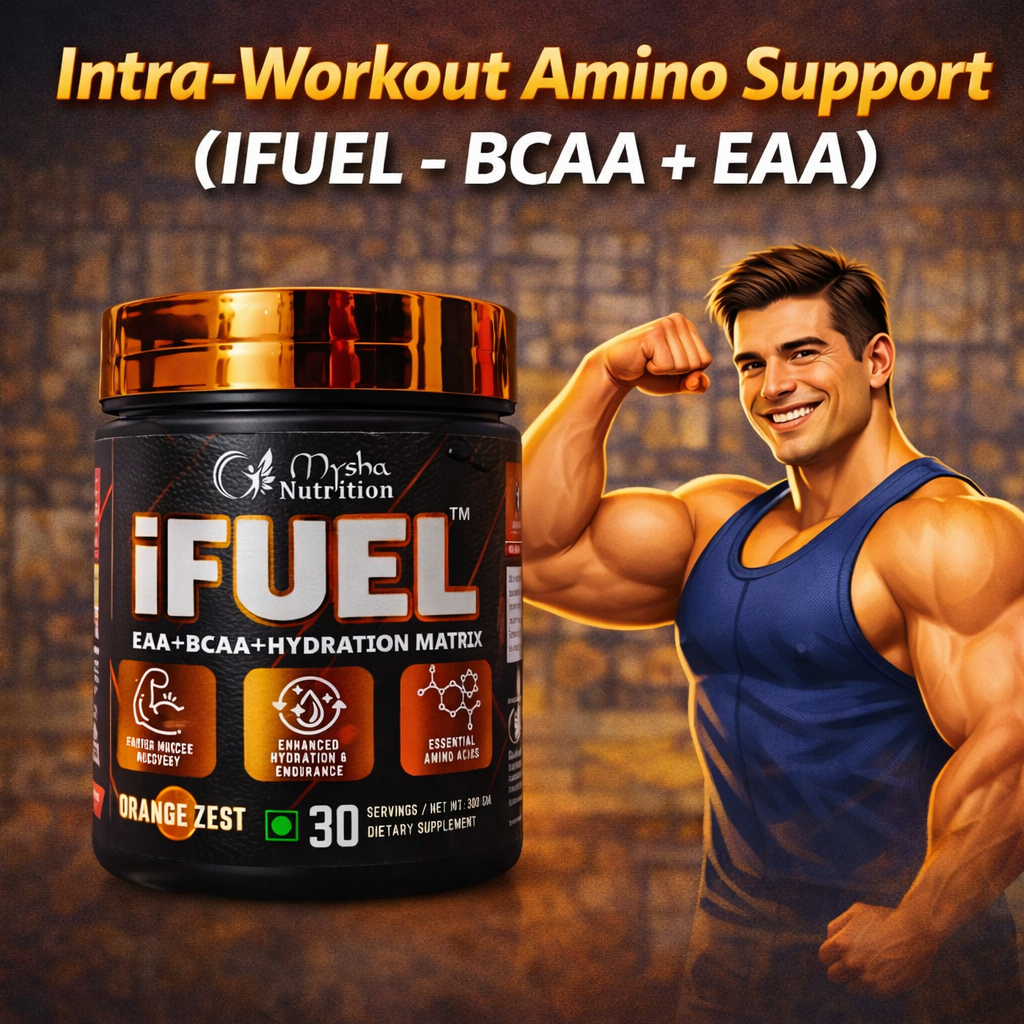
During training, muscle breakdown begins.
IFUEL helps by:
- Providing BCAA + EAA during workouts
- Reducing muscle catabolism
- Improving endurance & hydration
- Supporting faster recovery
👉 Ideal for long hypertrophy sessions and high-volume workouts.
3. Post-Workout & Mass Gaining Support (Mass UP)
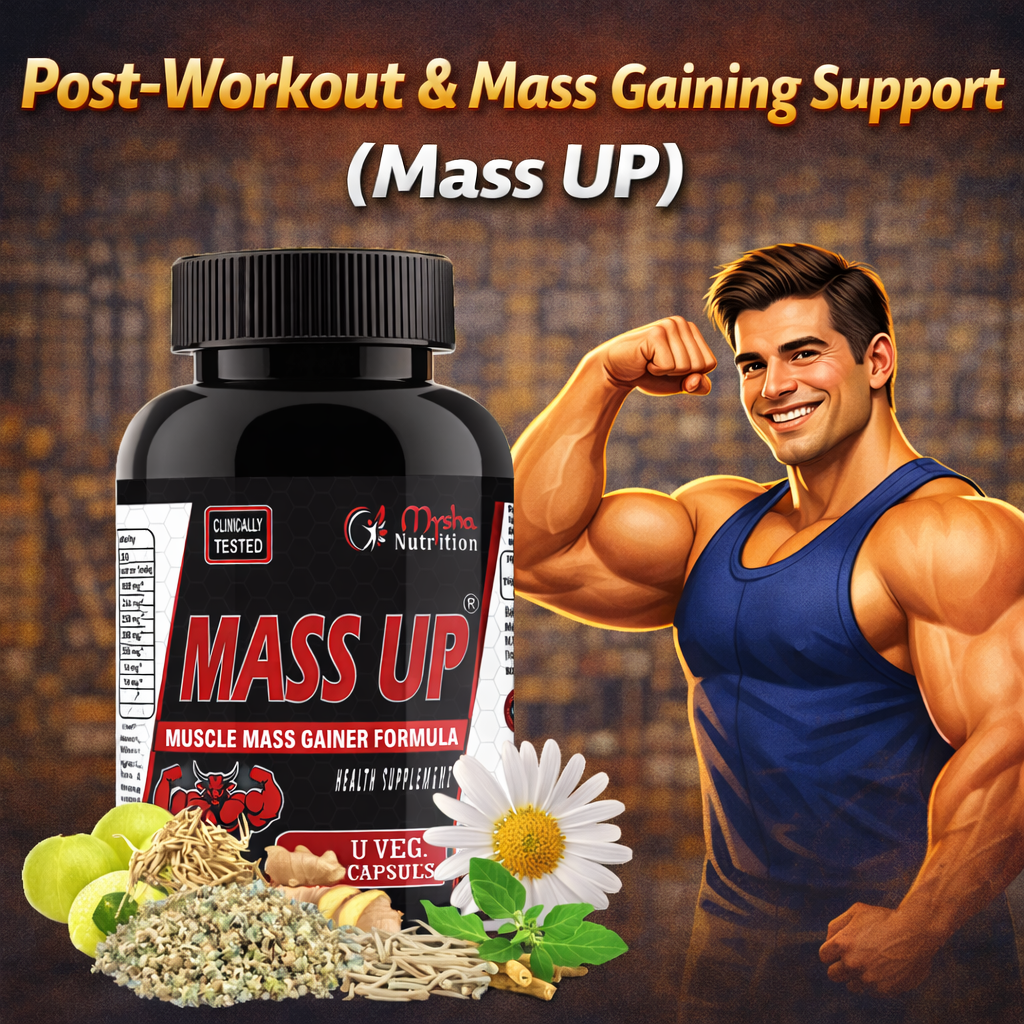
Post-training is when muscle growth actually begins.
Mass UP supports hypertrophy by:
- Providing high-quality muscle-building nutrients
- Supporting positive nitrogen balance
- Enhancing recovery and muscle fullness
Perfect for hard gainers and lean mass seekers.
4. Strength & Pump Enhancement (Probuild)
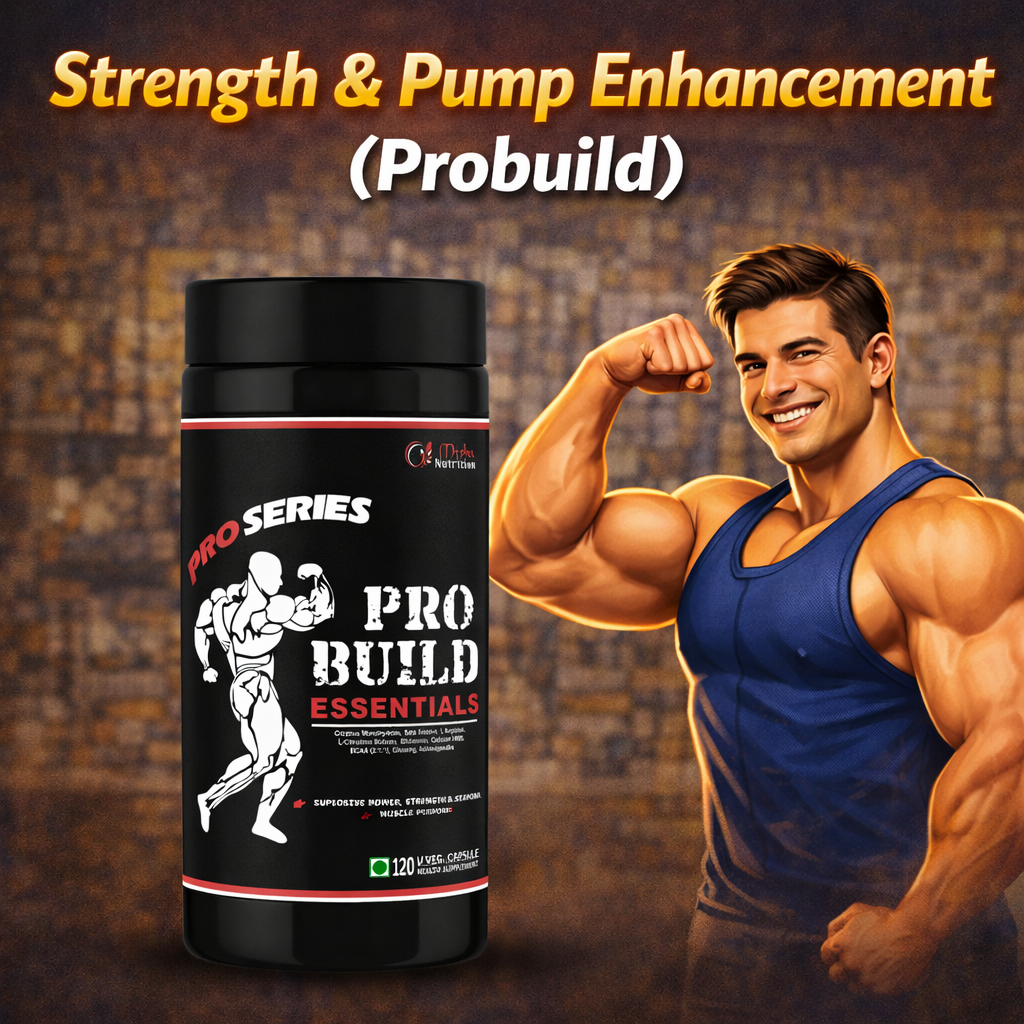
For progressive overload, strength progression is essential.
Probuild helps with:
- Improved blood flow
- Enhanced muscle pump
- Better strength output
- Faster nutrient delivery to muscles
Check Now – muscle pump & strength supplement
5. Hormonal Optimization (Test HD Pro)
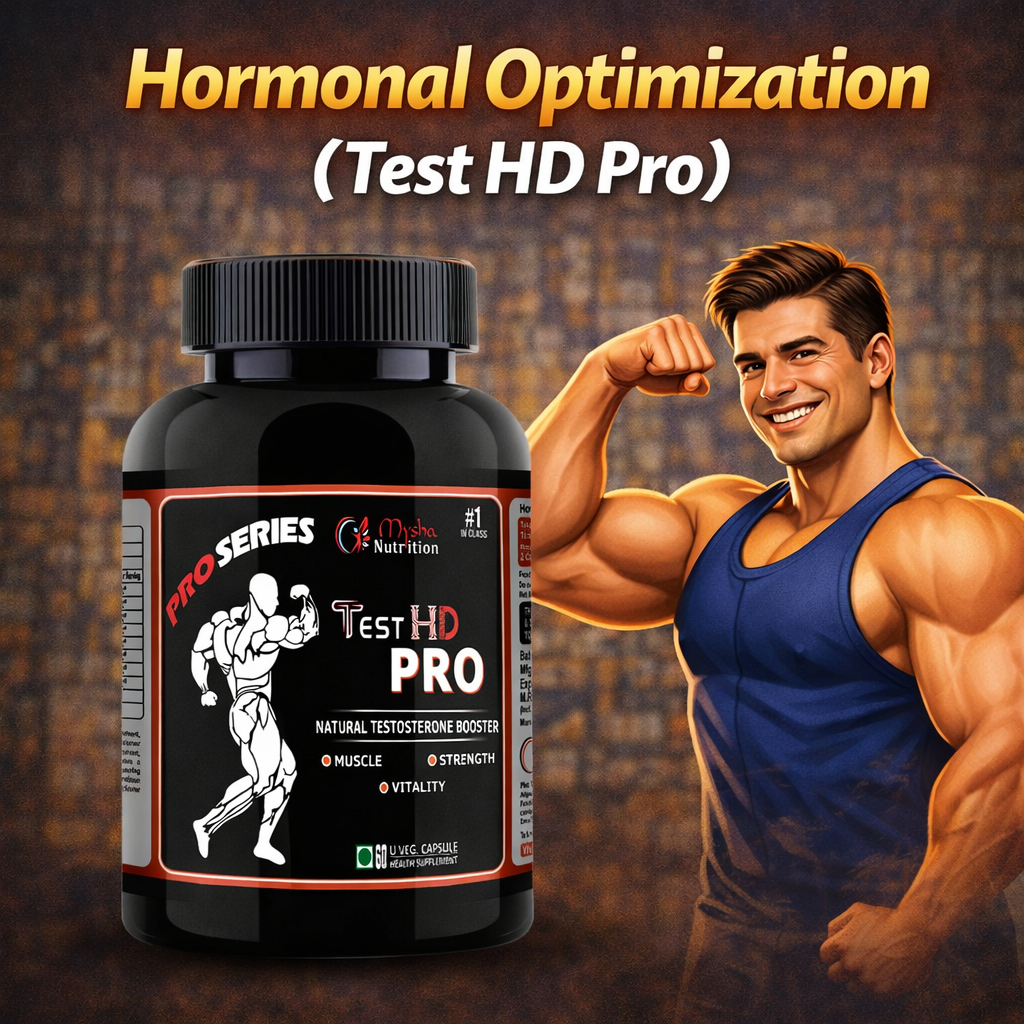
Testosterone plays a crucial role in hypertrophy.
Test HD Pro supports:
- Natural testosterone levels
- Strength and recovery
- Lean muscle preservation
- Overall vitality
Check Now – testosterone support for muscle growth
⚠️ Especially beneficial for men above 30 or intense trainers.
Recovery & Sleep: Where Muscle Is Actually Built
Muscles don’t grow during workouts—they grow during rest.
- 7–9 hours quality sleep
- Growth hormone release peaks at night
- Poor recovery = stalled hypertrophy
Common Hypertrophy Mistakes to Avoid
❌ Skipping progressive overload
❌ Under-eating protein
❌ Overtraining without recovery
❌ Ignoring intra-workout nutrition
❌ Inconsistent supplement usage
Muscle Hypertrophy vs Strength Training
| Parameter | Hypertrophy | Strength |
|---|---|---|
| Goal | Muscle size | Max force |
| Reps | 6–12 | 1–5 |
| Rest | Short | Long |
| Muscle Look | Full & round | Dense |
How Long Does It Take to See Hypertrophy Results?
- Beginners: 4–6 weeks
- Intermediate: 8–12 weeks
- Advanced: Gradual but visible progress
Consistency beats genetics.
Benefits of Muscle Hypertrophy Beyond Aesthetics
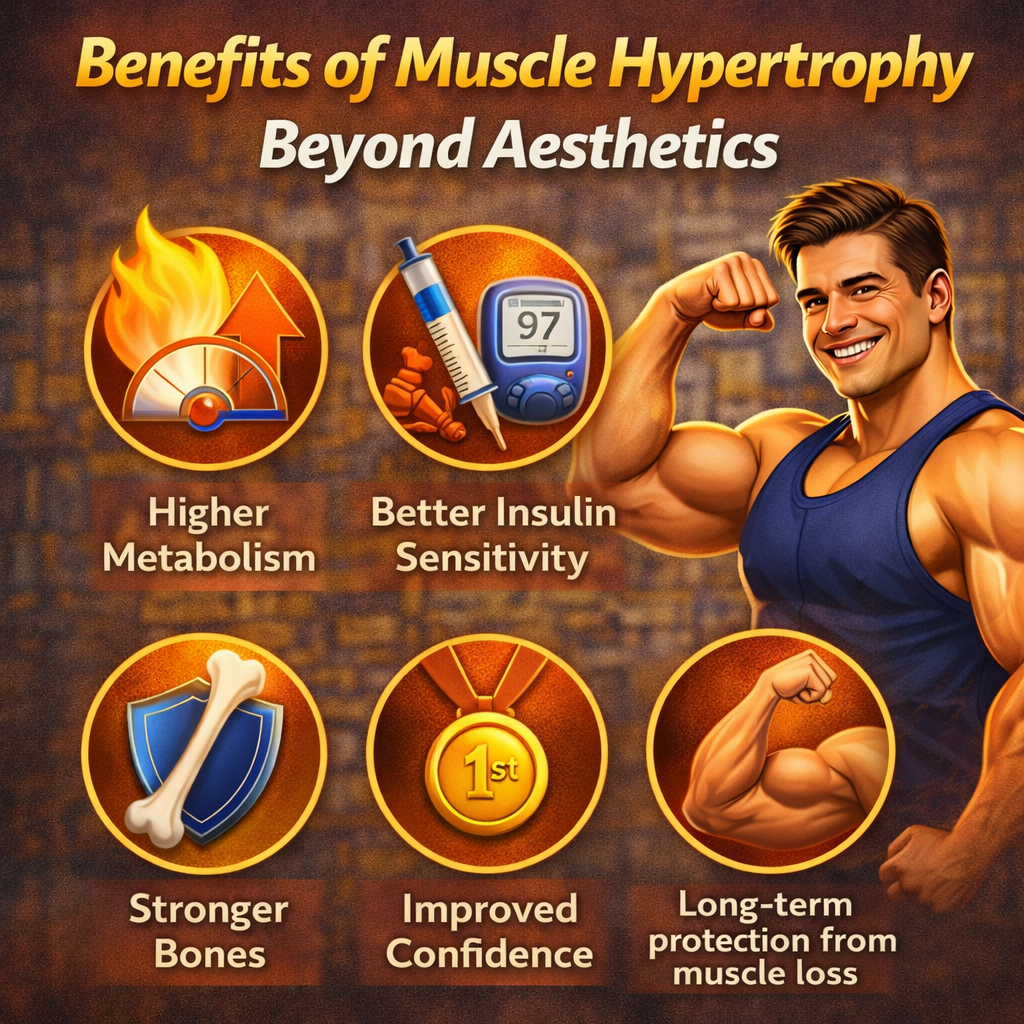
- Higher metabolism
- Better insulin sensitivity
- Stronger bones
- Improved confidence
- Long-term protection from muscle loss
Final Verdict: Build Muscle the Smart Way
Muscle hypertrophy is not guesswork—it’s science, discipline, and consistency.
When structured training, nutrient timing, and targeted supplements work together, muscle growth becomes faster, safer, and sustainable.
By combining:
- Intense workouts (XBOL)
- Intra-workout amino support (IFUEL)
- Post-workout recovery & mass support (Mass UP)
- Strength & pump optimization (Probuild)
- Hormonal balance (Test HD Pro)
you create a complete hypertrophy ecosystem.
Muscle hypertrophy is the increase in muscle size caused by resistance training, proper nutrition, and recovery. It occurs when muscle fibers adapt to progressive overload.
The ideal rep range for muscle hypertrophy is 6–12 repetitions per set with moderate to heavy weights and controlled rest periods.
Supplements like pre-workouts, mass gainers, BCAA+EAA blends, pump formulas, and testosterone support supplements can enhance muscle hypertrophy when combined with proper training and diet.
Protein is essential, but muscle hypertrophy also requires carbohydrates, healthy fats, adequate calories, training intensity, and recovery.
Beginners may notice muscle growth within 4–6 weeks, while experienced lifters may take 8–12 weeks depending on training, nutrition, and consistency.
Yes, testosterone plays a vital role in muscle protein synthesis, strength, recovery, and overall muscle hypertrophy.
Disclaimer – This content is for informational purposes only and does not constitute medical advice. Dietary supplements are not medicines and are not intended to diagnose, treat, cure, or prevent any disease. Consult a qualified healthcare professional before starting any supplement, diet, exercise program, or medical treatment. Use supplements as directed and as part of a balanced diet and healthy lifestyle. Individual results may vary.